If you’re worried about altitude sickness Cusco, then you’re definitely not alone.
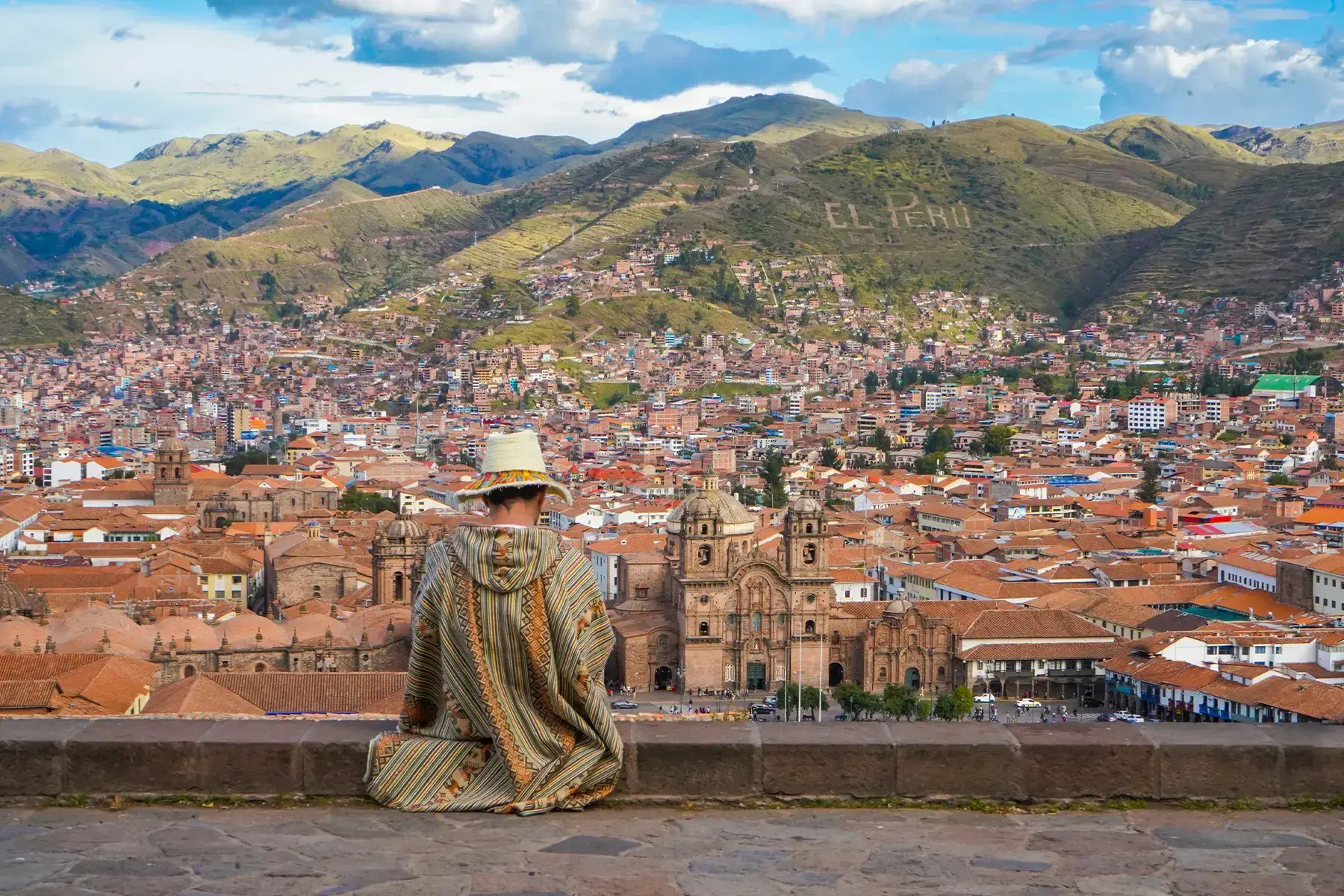
Easily one of the most popular destinations for tourists to visit in all of Peru, Cusco is famed for its ancient Inca history and beautiful surrounding Andes mountains – making it a must visit on any trip to this South American country. However altitude sickness is a risk here given the city is located up at 3399m above sea-level, so it’s vital to understand why it occurs, what you can do to avoid getting it, and how to manage symptoms in case you do get it.
In this guide we’ll explore everything you need to know about altitude sickness Cusco, and the best preparation methods to help ensure you don’t get ill with this during your trip. We’ll also answer your most frequently asked questions in our FAQ section.
3 Key Steps To Avoid Getting Altitude Sickness In Cusco
Step 1: Preparation Starts Before You Visit Cusco
Altitude sickness is caused by your body not being able to efficiently adjust to changes in the levels of oxygen available to you. Given Cusco is situated at such a high elevation of 3399m, it’s a big change from what you would experience in coastal areas such as Lima or Paracas. Visiting destinations between the Pacific and Cusco that gradually increase your altitude is a great prevention strategy so your body gets used to these changes – such as Arequipa (2335m), Aguas Calientes (2040m) or other lower-lying towns in the Sacred Valley.
Step 2: Consider Medications Before And During Your Trip
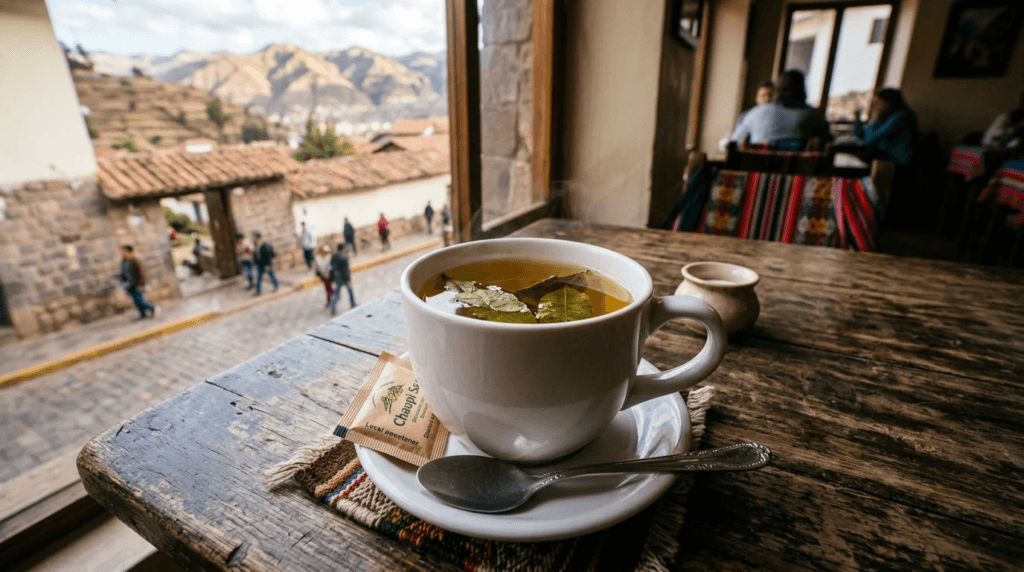
Once in Cusco, drinking Coca Leaf Teas is a very popular method of preventing altitude sickness, trusted by both locals and tourists alike. In local pharmacies you can also find Soroche Pills, which combine natural ingredients that help your body to acclimate quicker. There are even certain medications which you can begin before you even leave for Cusco, for the highest effectiveness at preventing any of these symptoms occurring. Diamox is one of the most popular, which once cleared by your doctor, you can begin taking several days before reaching Cusco which is known for its strong altitude sickness prevention effects.
Step 3: Plan Your Itinerary With Cusco Altitude Sickness In Mind
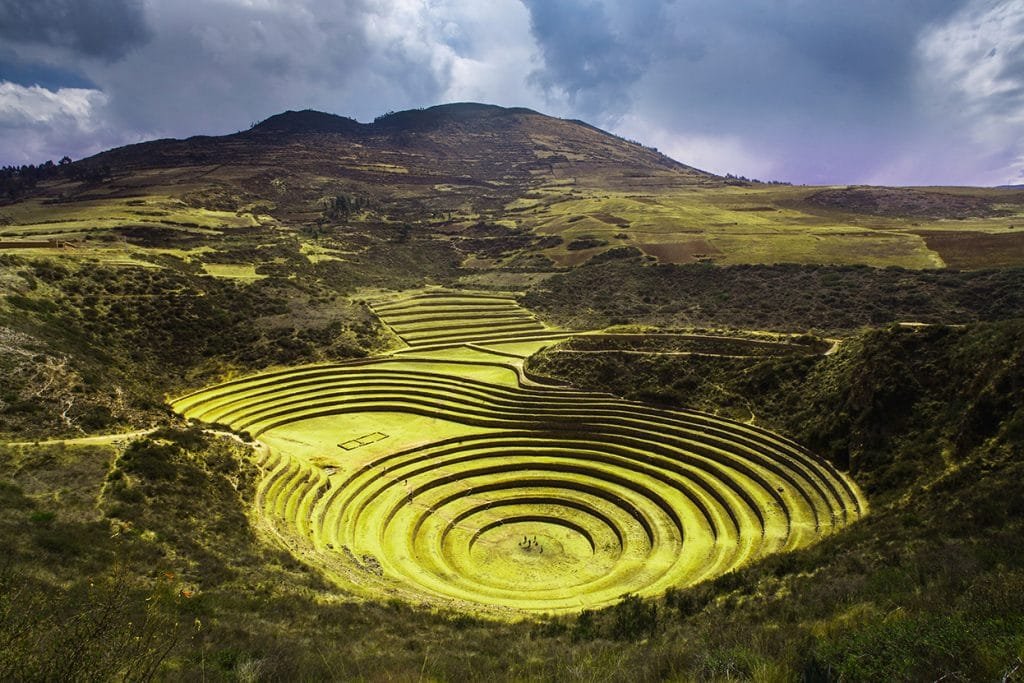
Cusco and the surrounding Andes are home to many fantastic and must-visit destinations, however many are located at high altitude and should be planned for in advance. During your first two days in Cusco we highly suggest sticking to basic walking tours in the city or visiting Machu Picchu and other towns in the Sacred Valley – as your body naturally acclimates. After this you’ll then be ready to head on higher altitude experiences, such as to the multicolored Rainbow Mountain, the incredible Inca Trail or the icy lagoons of Ausangate.

How To Manage Cusco Altitude Sickness In Case You Get It
The most common Cusco altitude sickness symptoms are headaches and nausea, which can easily be treated with Ibuprofen and by drinking plenty of water. Eating foods that are rich in potassium (like bananas) as well as nutrient-rich foods like toast is also suggested as your body works through it. During this time, it’s also recommended to relax as much as you can and not go on strenuous hikes – which will just make your symptoms worse.
Declining in altitude is also another great method to reduce the severity of symptoms, and is easy to do when in Cusco. The surrounding Sacred Valley region is home to many beautiful mountain towns and Inca ruins which are worth seeing regardless – and various are located at a lower altitude than Cusco’s 3399m which helps to soothe altitude sickness symptoms. This includes the popular destinations of Aguas Calientes (2040m) and Ollantaytambo (2792m) – or the incredible Tambopata Amazon region which is just a short flight away.
Frequently Asked Questions About Altitude Sickness Cusco
In this section we’ll now explore the most frequent questions we get about avoiding altitude sickness Cusco, as well as anything else you need to know.
How Likely Is It To Get Altitude Sickness In Cusco?
While there doesn’t seem to be a genetic or even a fitness element that determines who will or won’t get altitude sickness, proper preparation before and during your visit does play a key role. Given Cusco is located up at 3399m, if you visit mid-altitude destinations between Lima and Cusco (such as Arequipa at 2335m), then your body will naturally acclimate and have less chance of getting altitude sickness. So the likeliness really is in your control, and even then you can take Diamox tablets (if cleared by your doctor) prior to your visit for extra peace of mind.
How Do You Get Rid Of Altitude Sickness In Cusco?
If you do get altitude sickness when in Cusco, there are few things you can do to better manage the symptoms and get over it. Taking medications like Ibuprofen and drinking Coca Leaf Teas are good for managing headaches and nausea, and eating potassium-rich foods (like bananas) along with drinking lots of water really helps. You can also head to lower altitude destinations in the nearby Sacred Valley which will help too, such as Aguas Calientes (2040m), Ollantaytambo (2792m) and Urubamba (2871m).
Is It Worth Taking Diamox For Altitude Sickness?
Diamox (also known as acetazolamide), is a popular prescription of choice for travellers visiting high altitude destinations such as Cusco – given it has strong effects on acclimating the body and preventing possible symptoms from occurring. While you must consult with your doctor first whether it’s safe for you to take Diamox, it is a well-used option for preventing altitude sickness and can be worth it in your case if you don’t have time to acclimate between Lima and Cusco on your trip through Peru.
Overview Of How To Avoid Getting Altitude Sickness In Cusco
And that’s all for this guide on how to avoid getting altitude sickness in Cusco, and also how to manage symptoms in the event that you do get it.
One of the most popular destinations to visit in all of Peru, Cusco is well-known for its beautiful colonial architecture, mysterious Inca ruins and the incredible Andean landscapes found in the nearby Sacred Valley region. While altitude sickness in Cusco can be a risk for travellers given its situated up at a high elevation of 3399m above sea-level, preventing altitude sickness during your visit is simple when following the advice laid out within this article – which includes acclimating slowly, using different kinds of medications and avoiding strenuous hikes early during your time in the city.
Looking for the most unforgettable time in Cusco? Here at TroncoTambopata, we operate a memorable five day Cusco tour which includes private transport and expert guided visits to the wonder of Machu Picchu, the multicolored Rainbow Mountain, Lake Humantay and much more.