Worried about the Sacred Valley altitude, and whether sickness is a common issue here?
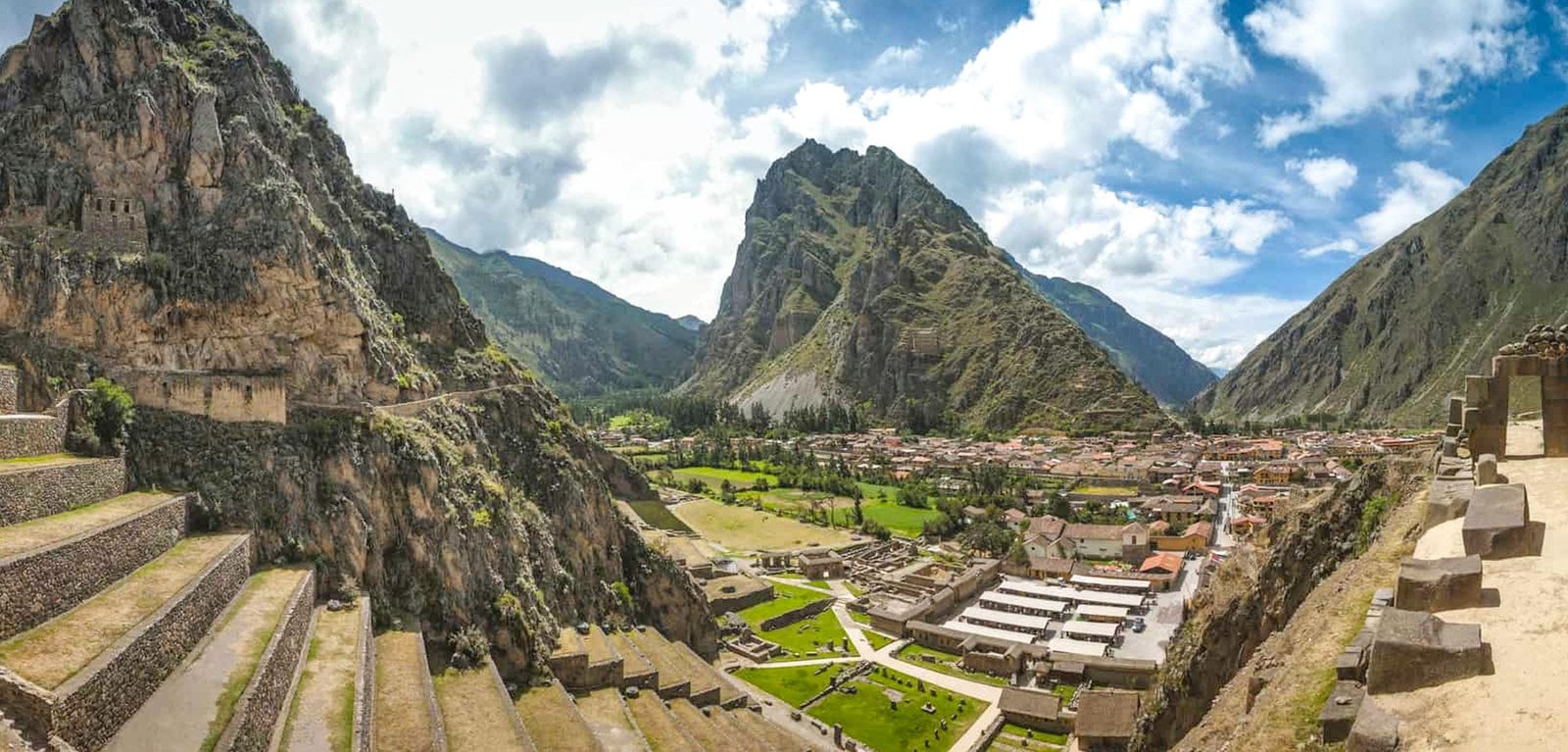
Located within the sprawling Andean foothills, the Sacred Valley is an incredible region to visit which is just a short drive from the popular city of Cusco. However altitude sickness can be a concern given the region is located above 2000m in elevation – and as such it’s important to know how different destinations vary in altitude, as well as how to best prepare before heading here on your trip.
In this guide, we’ll explore everything you need to know about the Sacred Valley altitude. This includes how high the various destinations are here, whether there is a risk of getting altitude sickness, and our best methods to prevent this from happening. We’ll also answer your most frequently asked questions in our FAQ section.
What Is The Sacred Valley Altitude?
Firstly, the Sacred Valley is a region located within the Cusco state of Peru, up in the Andes Mountains. As a result, elevations here can vary considerably depending if you are in the lower foothills, or up in the more secluded, higher-elevated mountain towns.
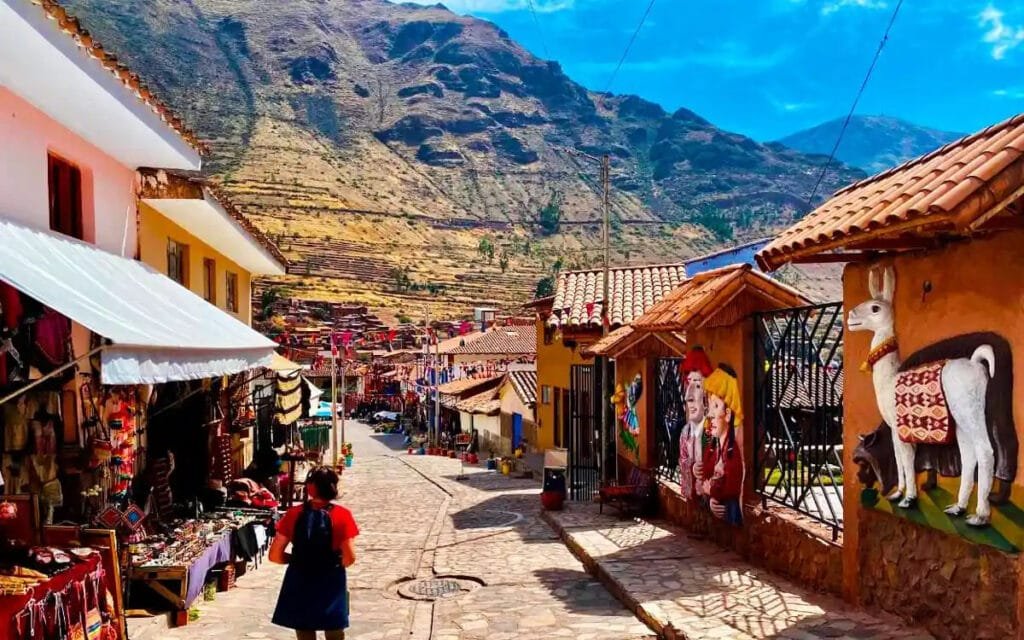
The overall Sacred Valley altitude ranges from between 2000-4000 meters, however the vast majority of popular destinations that tourists visit are between 2400-3200m in altitude. This includes the ruins of Machu Picchu, Ollantaytambo, the famous village of Pisac as well as the Maras Salt Mines – all of which are at comfortable elevations for day trips or several night stays. Below you can see the exact altitude for each of the major Sacred Valley towns:
- Aguas Calientes: 2040m
- Machu Picchu: 2430m
- Ollantaytambo: 2792m
- Urubamba: 2871m
- Pisac: 2972m
- Cusco City: 3399m
- Chinchero: 3762m
Is Altitude Sickness Common Within The Sacred Valley?
For the vast majority of travellers, altitude sickness is not only a minor issue for those heading into the Sacred Valley – it’s actually less likely here than within the higher elevated city of Cusco (up at 3399m).
While symptoms of course are still likely, and especially when heading to the higher altitudes between 3000-4000m, most are light such as fatigue or headaches – and can be prevented by walking slowly during hikes and bringing medications. Travellers who often feel unwell up in Cusco city often find they feel better when heading into towns that are lower such as Aguas Calientes or Ollantaytambo.
Our Expert Tips For Preparing And Dealing With The Sacred Valley Altitude
Now that you’ve understood the Sacred Valley altitude and how common symptoms can be, it’s now important to know what strategies help to best prevent altitude sickness in the first place. It’s vital to first know, however, that every individual is different and their bodies will react differently – so it’s always best to be on the safer side and take things slowly.
Head Straight To The Sacred Valley When Arriving Into Cusco
Given the majority of towns are located between 2400-3000m, this makes them lower than Cusco’s 3399m. As soon as you arrive by flight or overland transport, it makes sense to head straight down into the Sacred Valley for a more gradual acclimation experience – and lower your chances of getting any symptoms.
Relax During Your First 48 Hours
Numerous research (as well as testimonials from our own travellers) say that the first 48 hours are crucial when visiting the Sacred Valley – since your body needs a couple of days to acclimate to the higher altitudes. During this time it’s best to avoid any strenuous hikes or high activity as your body adapts – and Our Multi-Day Cusco Tour is planned with this in mind as you gradually increase in elevation each day.
Drink Lots Of Water And Avoid Alcohol
Drinking plenty of water is essential for keeping your body operating at its most efficient, and directly helps you to avoid getting symptoms like headaches and nausea. Alcohol tends to accelerate and make symptoms worse – however if you’re going to drink regardless, then try to wait until a couple of days have passed so you are already well acclimated.
Consider Local Sacred Valley Altitude Sickness Remedies
It’s much better to take preemptive remedies when you are well versus taking them once you are sick. And up here within the Sacred Valley, Coca Lea Teas are the very best – which are a tried and trusted method for locals and tourists alike. You’ll find them in the majority of hotels and restaurants, while Soroche Pills contain natural ingredients and are also ideal – which are sold in the majority of local pharmacies.
Frequently Asked Questions About The Sacred Valley Altitude
In this section we’ll now explore the most frequent questions we get about the Sacred Valley altitude, as well as anything else you need to know.
Is Sacred Valley Higher In Altitude Than Cusco?
Cusco’s elevation of 3399m is higher than the majority of destinations in the Sacred Valley, which usually range between 2400-3200m in elevation. This includes destinations like Machu Picchu, Ollantaytambo, Pisac and Urubamba which are all lower in altitude. There are some exceptions though – such as the town of Chinchero which lies up at 3762m, while small parts of the Inca Trail reach over 4000m in altitude.
Do People Usually Get Altitude Sickness In The Sacred Valley?
The strong majority of travellers have little altitude sickness related issues during their trip to the region. However, given Cusco is located at a higher altitude, and must first be reached before heading to the Sacred Valley – many travellers often carry over symptoms here. Lower-lying destinations like Aguas Calientes or Ollantaytambo often help to alleviate any symptoms in case you got them while staying in Cusco.
At What Altitude Should I Worry About Altitude Sickness In Peru?
Any destination below 2000m is completely fine – which is the majority of Peru and includes destinations like Lima, the Tambopata Amazon, Huacachina and Piura. While very rarely some people can experience symptoms between 2000-2500m (in places like Arequipa), travellers should plan in advance for acclimation when visiting any destination above 2500m. That said, it’s still very personal – you may have no symptoms whatsoever even when ascending up to 4000m.
Overview Of The Sacred Valley Altitude
And that’s all for this guide on the Sacred Valley altitude and elevation differences within this beautiful Andean region.
One of the most popular places to visit in all of Peru, the Sacred Valley is filled with incredible ancient history, mysterious ruins, spectacular mountain vistas and all kinds of novel things to see and do here. Thankfully the elevations are generally pleasant for walking around and exploring, and for many travellers it makes sense to head here directly when arriving into Cusco – given it will help to provide a more comfortable acclimation experience.
Here at TroncoTambopata, we operate an Unforgettable Five Day Cusco Tour where we will explore the very best highlights and destinations of the city and Sacred Valley region. As well as including private transport and accommodation, you’ll also have the very best expert guides to teach you everything that you need to know during your trip.