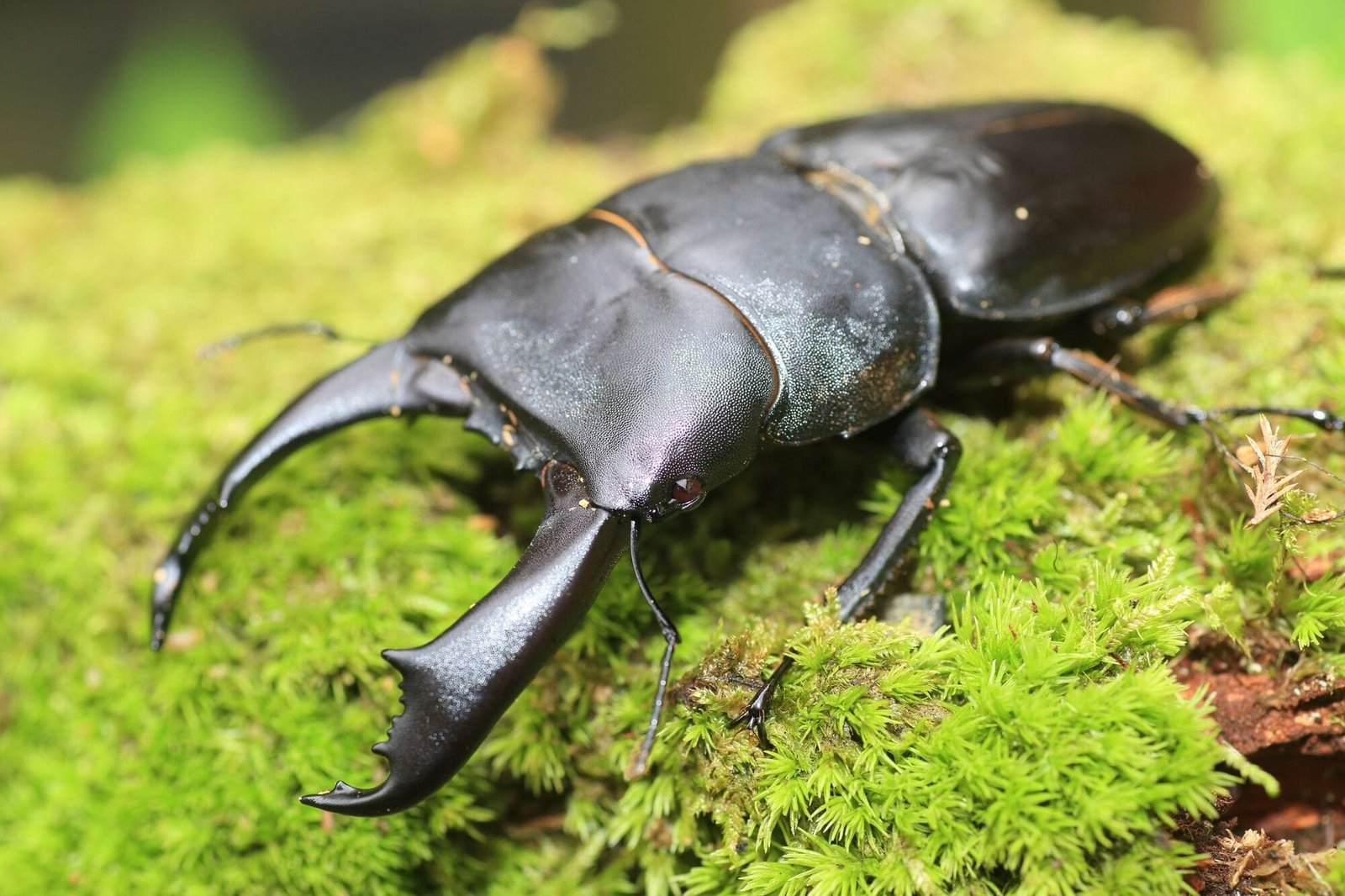

Are you curious about the various Amazon Jungle bugs found in the region?
Regardless if you’re worried about finding too many insects near you on your tour or when resting, or are instead wanting to know what you can see when out and about, there are tons of Amazon Jungle bugs to spot. With that said though, they can vary hugely in shapes, sizes and unique behaviors – meaning it’s work knowing beforehand what to expect when heading to the specific part of the jungle that you will visit.
In this guide we’ll explore everything you need to know about Amazon Jungle bugs. This includes what you’re most likely to encounter, weather bugs are nuisance during tours, and the most interesting bugs to spot. We’ll also answer your most frequently asked questions in our FAQ section.
6 Of The Most Unusual Amazon Jungle Bugs To Spot During A Tour
Bullet Ant
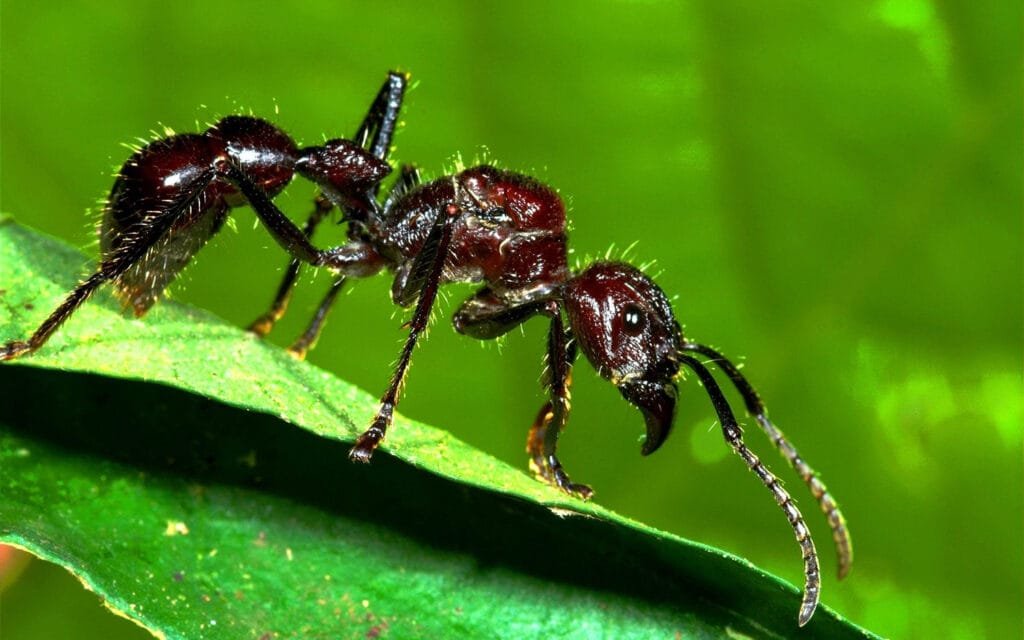
One of the most infamous Amazon Jungle bugs, the Bullet Ant is widely considered to have the most painful sting of all insects on earth. Usually found patrolling tree trunks in highly organised lines as they search for food, they have a neurotoxin that can trigger a severe burning sensation – which can last up to 24 hours in humans. They also have a unique chemical alarm that they emit when in danger, which signals for hundreds of other Bullet Ants to come and ward off the threat.
Assassin Bug
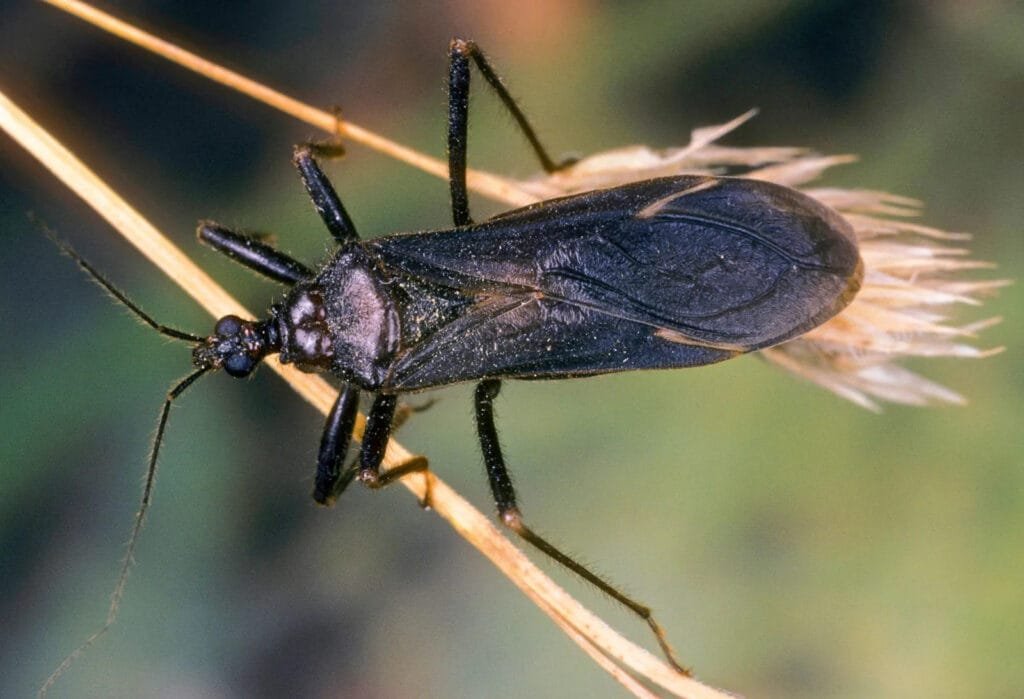
The master of psychological warfare, the Assassin Bug has developed some highly unusual adaptations for thriving in the rainforest. Similar to the stealthy Decoy Spider, Assassin Bugs glue the corpses and exoskeletons of their past prey onto their own backs – waiting for confused prey to come closer. While other beetles chew meals, this bug instead injects enzymes into prey and drinks them from the inside out.
Hercules Beetle
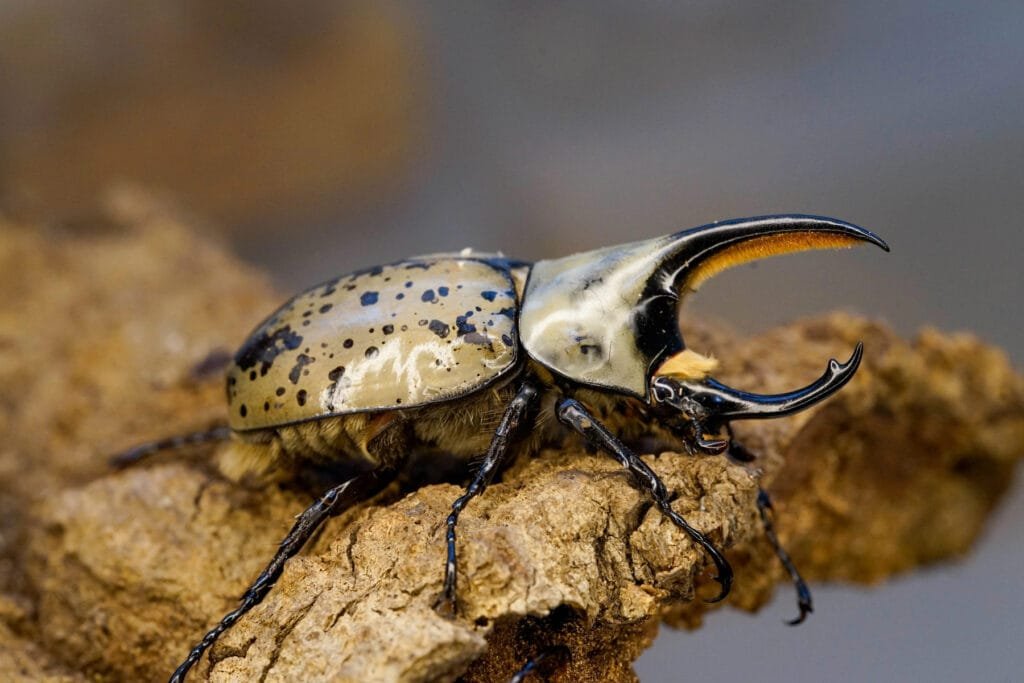
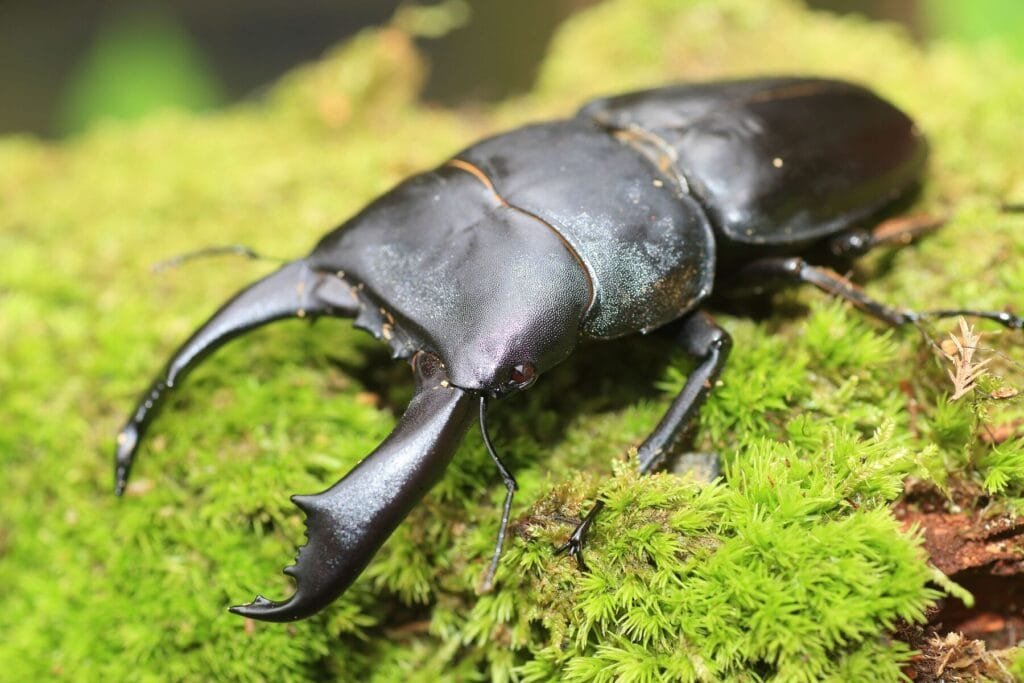
Unlike the previous insect, the Hercules Beetle is more renowned for its strength rather than its ability to deceive (hence the name “Hercules”). Able to lift objects over a hundred times its own weight using massive pincer horns, it wrestles other rivals and launches them out of the area when competing for resources or territory. Hercules Beetles are quite picky eaters, and are usually found on forest floors searching for fermenting fruits or drinking tree sap.
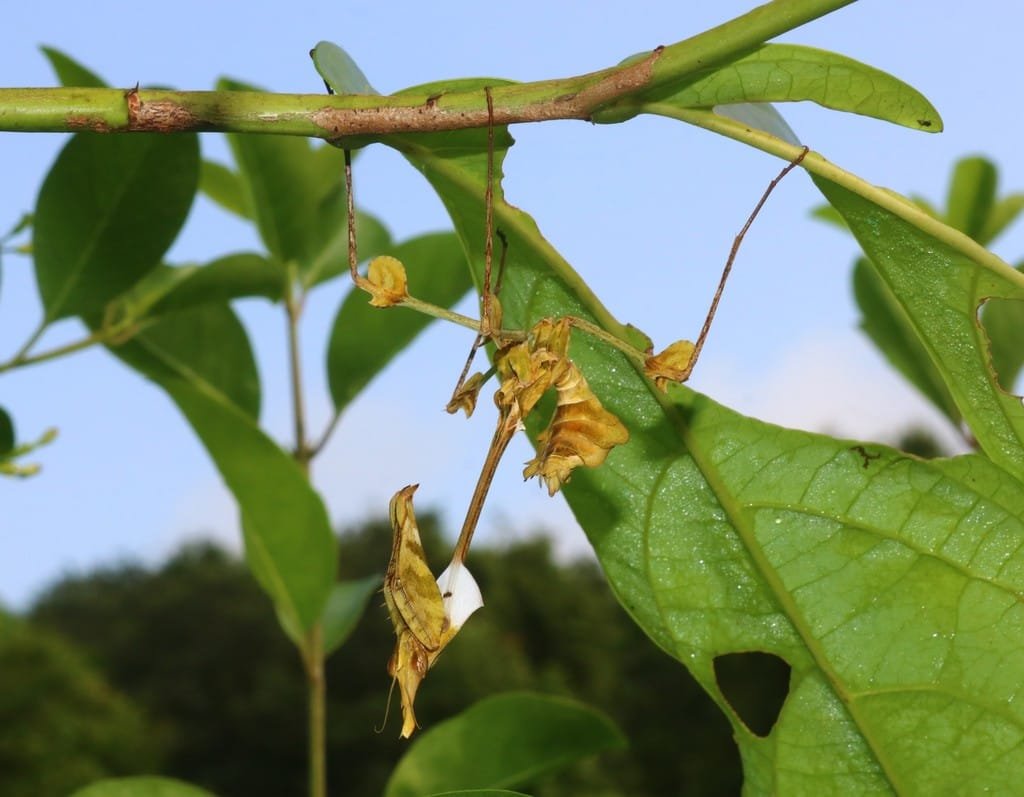
Violin Mantis
This bizarre insect is known for its high risk yet masterful way of defending itself when in danger. Unlike other insects that either try to escape or fight back when a predator comes, the Violin Mantis does neither – staying completely still and mimicking a dried leaf on the forest floor with its paper-thin body. It even moves with a calculated jerk-like motion, appearing just like a fallen leaf being blown with small gusts of wind, which confuses birds and keeps the Violin Mantis safe from danger.
Glasswing Butterfly
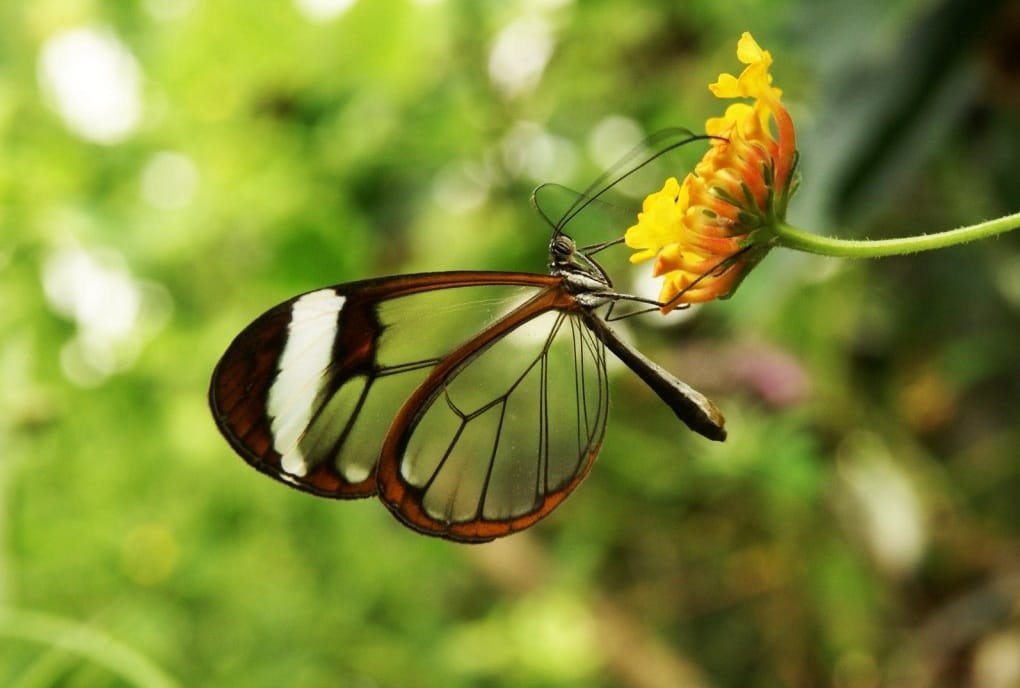
With a completely transparent wing tissue, the Glasswing Butterfly is the king of camouflage in the Amazon. Gliding effortlessly between shaded plants, it is rarely spotted given it blends in almost perfectly with the foliage behind, allowing it to remain undetected from birds. They go even further too with their defensive strategy – where instead of drinking sugary nectar like most butterflies such as the famous giant Blue Morpho Butterfly, they instead deliberately drink from toxic plants whose chemicals taste terrible to predators.
Titan Beetle
One of the largest insects on the planet measuring up to 6.5 inches long, the Titan Beetle is by far one of the most incredible Amazon Jungle bugs to spot on a trek. Using their sharp mandibles to snap twigs in half when threatened, perhaps the most mysterious characteristic of the Titan Beetle is that it never eats a single meal as an adult – instead relying solely on energy reserves accumulated during its many years of its larvae stage.
Dealing With Amazon Jungle Bugs During A Tour – Is It Really An Issue?
It’s important to first remember that there will always be some kind of bugs or wildlife around – no matter how well kept or cleaned a lodge or area is. The Amazon Rainforest remains a wild place, and as such it’s common to see small insects here and there going about their daily business. Having said that – it’s also good to know that bugs are more likely during the heavier rainy season months, which are between November and April for Peru.
Now while insects will be encountered during tours, the vast majority are still very much safe – and our guides know exactly how to deal with them if they come a bit too close for comfort. Our lodges are equipped with mosquito nets above beds for full protection, and any insects that enter the lodge usually disappear just as fast. Most Amazon Jungle bugs are also quite harmless as long as you leave them be – however if you do feel uncomfortable, it’s best to ask staff to deal with them in a safer manner.
For your wildlife trekking tours and experiences, preparation also goes a long way. It’s important to wear long trekking pants and trekking shoes that are closed, which help to keep your feet and legs protected (which are most likely for bites or stings). Mosquito repellent is also very important, and we suggest reapplying between explorations for maximum protection.
Speak directly with our local Tambopata experts and start planning your Amazon adventure.
→Frequently Asked Questions About Amazon Jungle Bugs
In this section we’ll now explore the most frequent questions we get about Amazon Jungle Bugs, as well as anything else you need to know.
What Bugs Are In The Amazon Rainforest?
It’s believed that the Amazon Jungle is home to over more than an astonishing 2.5 million different types of bug species. This includes many types of ants (which represent over 30% of all animal biomass in the entire rainforest here), beetles, air-borne insects and much more. During an Amazon Multi-Day Jungle Tour in Tambopata, your expert tour guide will help you spot many types of insects during our day and night treks.
What Is The Deadliest Bug In The Amazon Rainforest?
While certain species like the Bullet Ant are known for their extremely painful stings, the Mosquito remains the deadliest bug in the Amazon Rainforest – and also the overall most dangerous animal on earth. They are primary vectors for many tropical diseases such as Malaria, Yellow Fever and Dengue Fever, and it’s estimated that as many as 1 million human fatalities occur annually just from mosquito-transferred diseases.
What Is The Biggest Insect In The Amazon Rainforest?
The overall biggest insect in the Amazon has to be the Titan Beetle, which can grow as large as 17cm long. Unlike other beetle species which can take off and fly whenever they please, Titan Beetles instead must climb up trees and launch themselves down into flight given their heavy bodies. They’re also famous for never needing to eat when they become adults – given that they only live for three weeks to reproduce and instead rely on energy stores from their larvae phase.
Overview Of Amazon Jungle Bugs
And that’s all for this guide on the different Amazon Jungle bugs that can be spotted within this massive rainforest region.
Whether you’re excited to see exotic bugs and critters during your rainforest tours, or you are instead worried about having to contend with unwelcome guests during your tours and nights in the jungle, learning about the various and most common Amazon Jungle bugs is well worth it. This way you’ll be fully prepared for your trip and can prevent any mishaps during your trip, and also learn how to find some of the most iconic Amazon insects during your stay.
Ready to explore the very best of the Peruvian Amazon Jungle? Here at TroncoTambopata, we operate our popular Three Day Jungle Tour, where you’ll get to spot exotic animals during privately guided tours, have all activities and transport included, as well as all meals and lodging in our private rainforest lodge.
Choose from our most popular Tambopata Peru tours and experience the Amazon's incredible wildlife, rainforest and authentic jungle lodges.